Is Bookaway Legit? My Honest Review After a 4-Month Trip
Booking transport in some parts of the world can be surprisingly difficult.
Many bus and ferry companies still sell tickets only at stations or through small local offices.
That is where platforms like Bookaway come in. They promise a simple way to compare routes and book transport online in a few minutes.
But is it actually reliable?
I used Bookaway multiple times during a 4-month trip across several countries to book buses and transfers. Some bookings worked perfectly. Others were less smooth.
In this review, you’ll see exactly how the platform works, what I liked, and where it can fall short.
Disclaimer: This post contains affiliate links. If you purchase something through one of them, I may receive a small commission at no extra cost to you. Thank you for helping me create free content on this website!
Is Bookaway Legit?
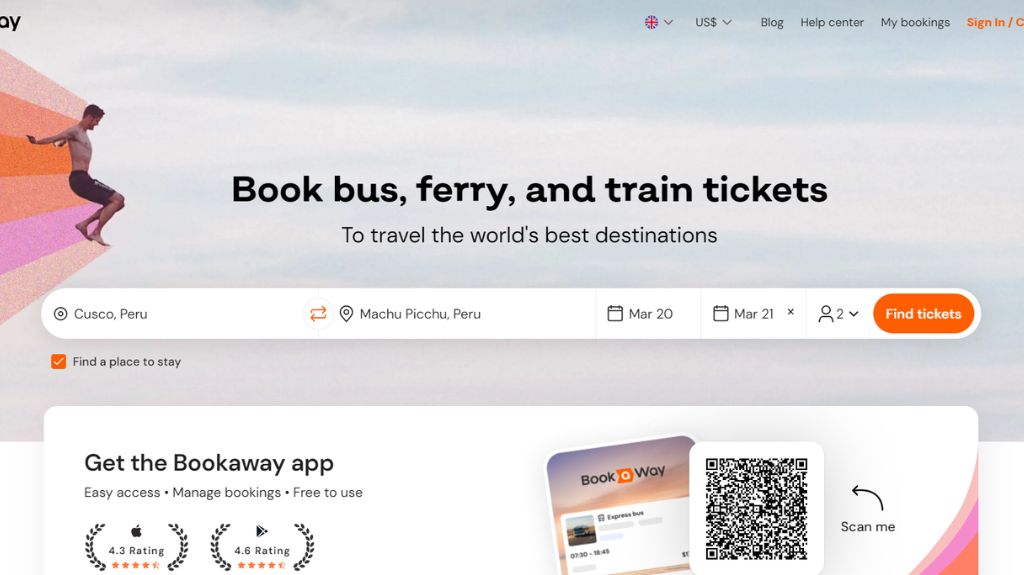
Yes, Bookaway is a legitimate platform to book transport in many countries.
It works as a marketplace that connects you with local bus, ferry, train, and transfer companies. It’s what Booking.com is for hotels, but for transportation. So instead of visiting several websites or ticket offices, you can compare routes and book in one place.
I used it several times during a 4-month trip across Latin America.
Each ticket came from a local operator, confirmation arrived instantly, and I only had to identify myself before departure.
Like any booking platform, the experience depends on the transport company running the trip. Bookaway is the middleman, not the driver.
What Is Bookaway?
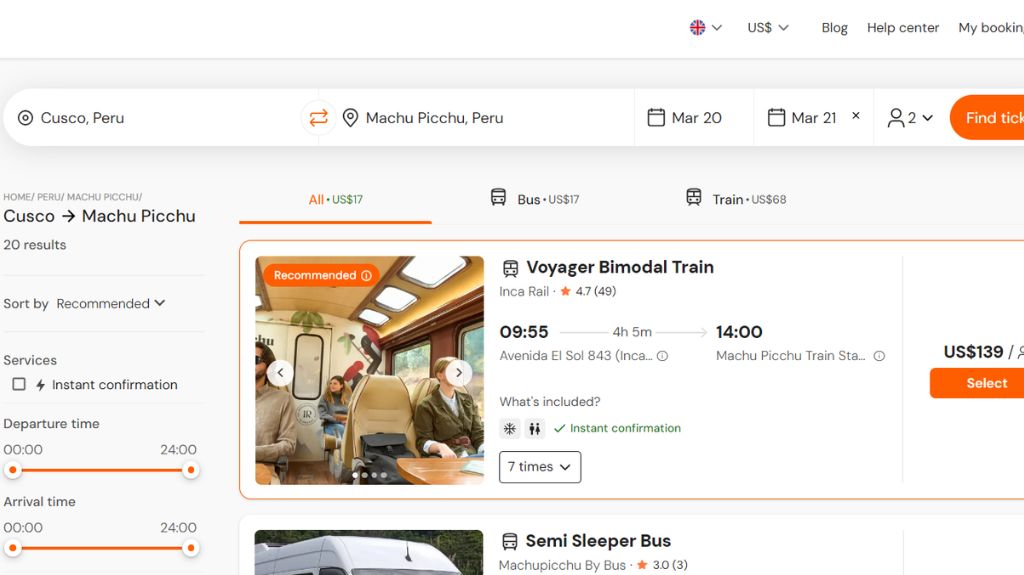
Bookaway is an online platform for booking ground and sea transport around the world. You can arrange buses, ferries, trains, vans, and private transfers, all in one place.
It partners with regional operators. These are the same companies that sell tickets at stations, ports, or small travel offices. Bookaway simply lists their routes, schedules, and prices so you can book online instead of hunting them down in person.
This is especially useful in countries where local transport companies have no English website or no website at all.
The platform currently covers large parts of Southeast Asia, Latin America, Europe, and the Middle East, making it especially practical for multi-country trips.
How Bookaway Works
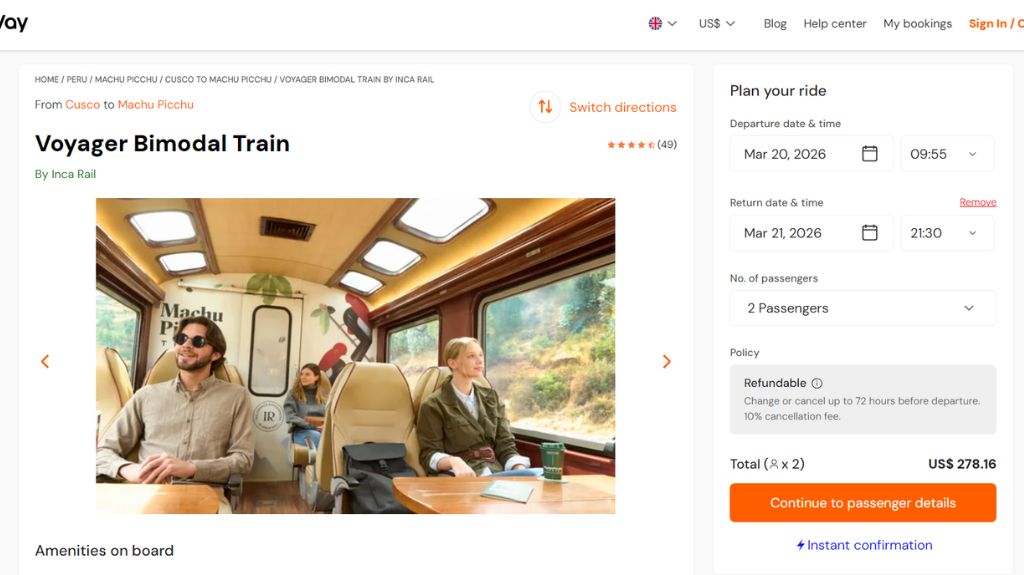
Using Bookaway is quite simple. You search for a route, compare the available options, and book the ticket online.
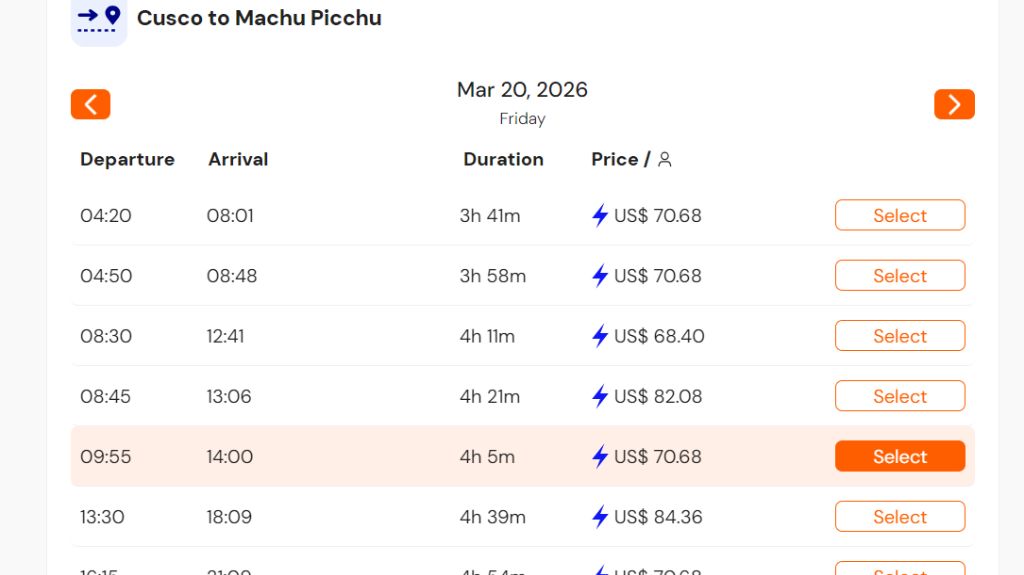
Start by entering your departure city, destination, and travel date. The platform then shows a list of available transport options.
Depending on the route, you may see buses, ferries, trains, shared vans, or private transfers.
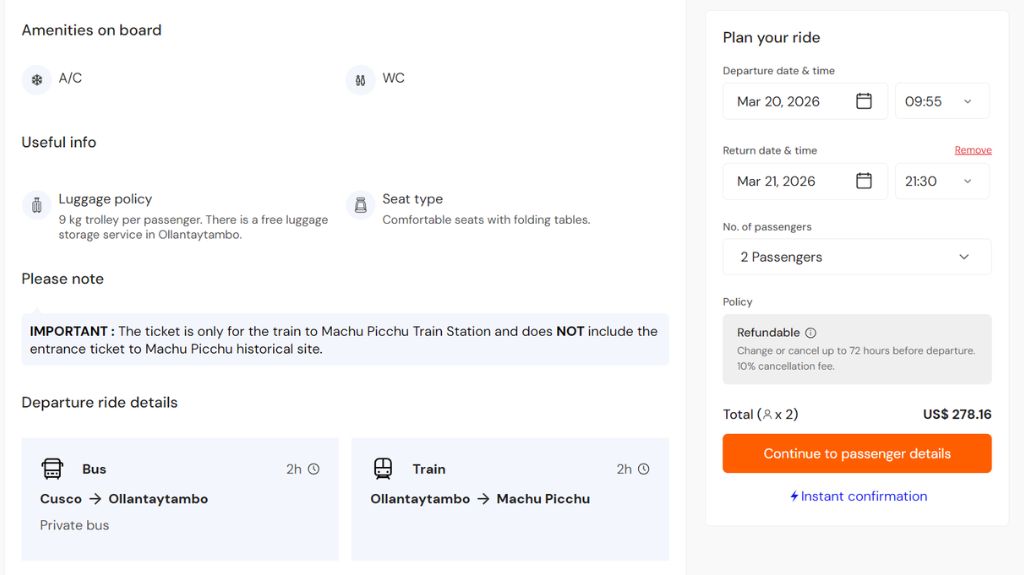
Each option includes key details such as departure time, trip duration, operator name, and price. Some listings also show photos of the vehicle, seat types, or amenities. This helps you decide which option fits your trip best.
Once you choose a departure, you enter your passenger details and complete the payment.
Bookaway accepts most major credit cards and other common payment methods, such as PayPal.
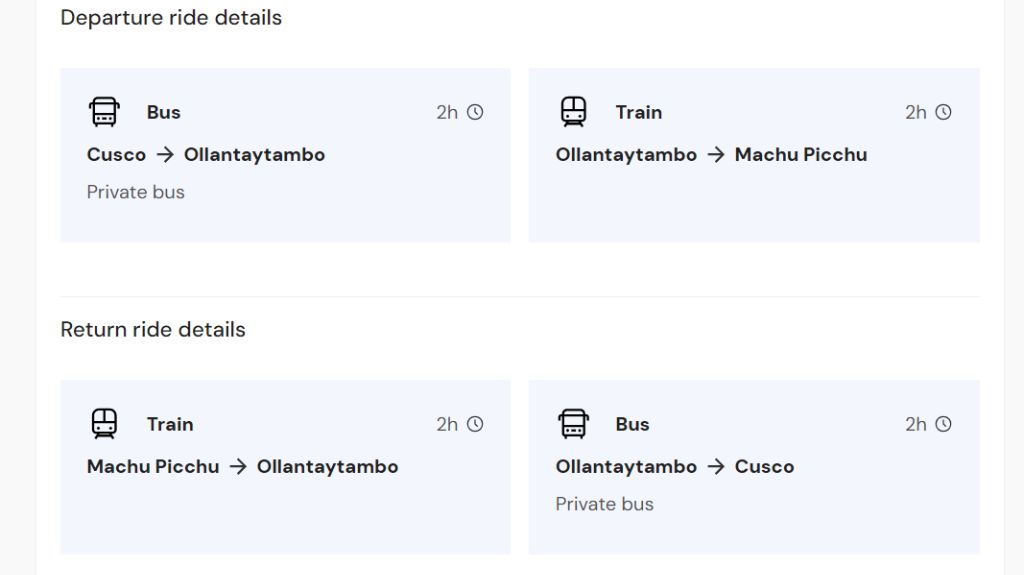
After booking, you receive a confirmation email with your ticket or voucher. You simply show the digital ticket on your phone or identify yourself to the driver. For some routes, you may need to exchange the voucher for a physical ticket at the station or meeting point.
The whole process usually takes just a few minutes.
Where You Can Use Bookaway
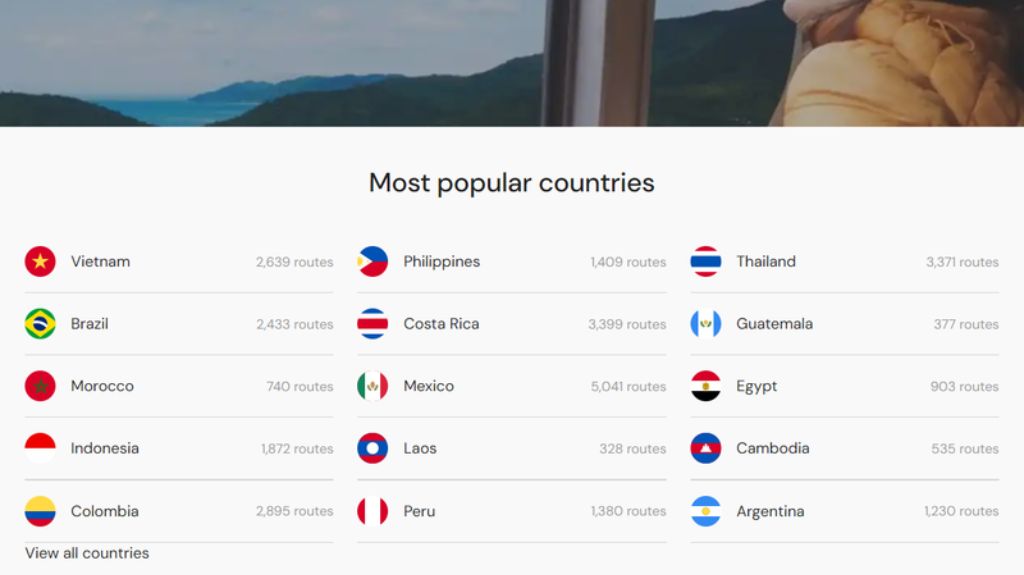
Bookaway operates in many parts of the world. It is most useful in regions where transport systems can be harder to book online.
You will find the largest number of routes in Southeast Asia. Countries such as Thailand, Vietnam, Cambodia, and Indonesia have extensive coverage. These places rely heavily on buses, ferries, and vans, so platforms like Bookaway can save you a lot of time and effort.
The platform also covers many routes in Latin America. You can book transport in countries like Mexico, Guatemala, Costa Rica, and Peru. In these destinations, it helps compare several bus companies quickly.
I used their service extensively in Ecuador, Peru, Chile, and Spain. More about my experience below.
There is also growing coverage in parts of Europe and the Middle East. You can find routes in places such as Greece, Turkey, and Croatia, especially for ferries and island connections.
My Experience Using Bookaway for 4 Months
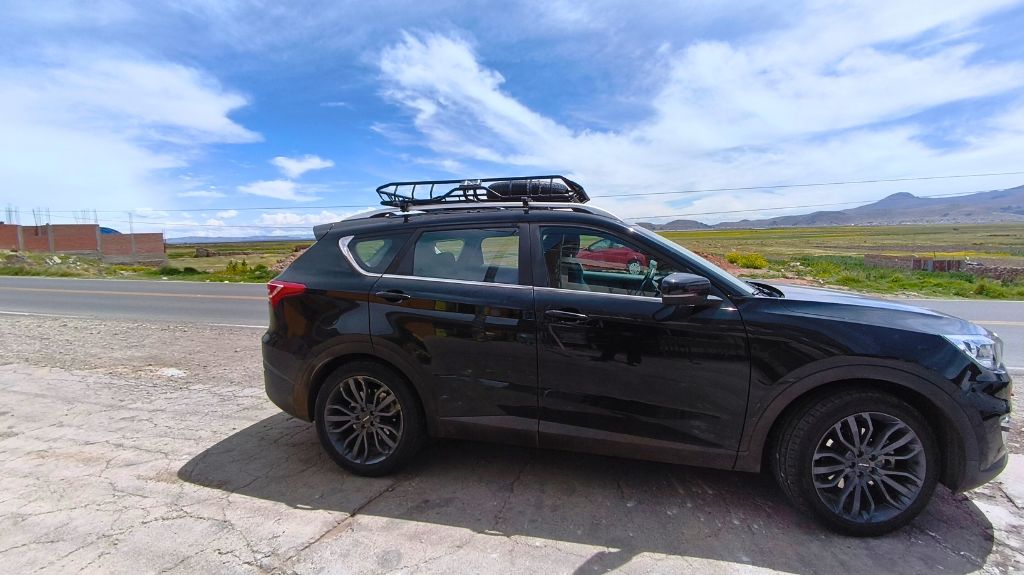
I used Bookaway several times during a 4-month trip across South America.
The booking process was consistently quick and straightforward. I’d enter the route, compare a few options, and have a ticket confirmed within minutes. Each email confirmation arrived immediately, along with the local operator’s contact details, which came in handy a couple of times when I had questions before departure.
The quality of the trips varied, but that came down to the individual operators. I booked private transfers in comfortable, modern cars, airport pickups with professional drivers, and shared rides on small buses. Across the board, drivers were friendly, careful, and happy to help with luggage.
A couple of moments stood out.
On one booking, the closest available pickup point was down the street from my accommodation. A quick text conversation with the driver, and he came to our door instead.
Another driver went out of his way to help us locate our host and waited until we were safely inside the hotel. Small gestures, but they made a difference.
The highlight of the whole trip was a route between Cusco and Puno that included a guide who took us through the Route of the Sun. It turned out to be one of the best day trips we did in Peru. It’s not something I’d have easily found or booked without the platform.
Not every experience was smooth, though.
An airport pickup in Barcelona didn’t go to plan: the driver never showed. When I contacted the operator, I was met with an unhelpful automated response, so I cut my losses and took a taxi instead.
I reached out to Bookaway a few days later, and they responded within hours with a full refund and an apology, along with advice to contact them directly if anything like that ever happens again. It was a frustrating situation, but the way they handled it gave me confidence to keep using the platform.
Overall, Bookaway made it much easier to organize transport in places where booking online can be confusing or time-consuming. Being able to plan rides in advance rather than navigating local ticket offices on the day was worth a lot.
What I Liked About Bookaway

The biggest advantage of Bookaway is convenience. It saves time when you travel in places where transport websites are limited or hard to use.
One thing I liked was the ability to compare several options on the same route. On many trips, I could see different operators, departure times, and prices in one list. This made it easy to pick the option that fit my schedule.
Booking in advance was also helpful. In busy destinations or on popular routes, tickets can sell out at the station. With Bookaway, I could secure a seat a few days before the trip and avoid last-minute stress.
Another plus is the clear booking process. The platform shows the key details before you pay, such as duration, pickup point, and the transport company. After booking, the confirmation arrives instantly.
Finally, digital tickets make things simple. For most trips, I only needed to show the ticket on my phone. I did not have to print anything or visit a ticket office beforehand.
Downsides to Know Before Booking

Bookaway is convenient, but it is not perfect. A few things are worth knowing before you book.
First, prices are slightly higher than buying tickets at a local station or office. This is normal for booking platforms. You pay a small fee for the convenience of booking online and comparing routes easily.
Another point is that Bookaway does not run the transport itself. It only connects you with local operators. If a bus is late or a ferry changes schedule, the operator controls that situation, not the platform.
Some routes also require an extra step before departure. In a few cases, I had to exchange the digital voucher for a printed ticket at a nearby office. The instructions were clear, but it can still add a few minutes to the process.
Finally, not every route in every country is listed. Coverage depends on which operators partner with the platform. If you travel in smaller destinations, you may still need to buy tickets locally.
Bookaway Customer Support: Is It Reliable?
Customer support is one area where opinions about Bookaway are mixed.
In my experience, most trips go smoothly, so you may never need to contact support. But if something goes wrong, the response can depend on the situation.
During my trip, I contacted support twice.
The first time was about a booking issue with a bus ticket. The team replied quite quickly and tried to help. In the end, they could not fix the problem with the operator. It was probably a bug in the software when selecting your seat on the bus chart.
It was not a big issue, though. I simply bought the bus tickets at the station and continued the trip.
The second case involved an airport pickup that never showed up. I contacted the local company through WhatsApp, but the replies were automated and not helpful. After the trip, I reached out to Bookaway to explain what happened. They reviewed the case and refunded the booking almost immediately.
These two experiences showed me both sides of the system. Bookaway can respond quickly and handle refunds when something clearly goes wrong. But since the transport is run by local operators, some problems are outside their control.
Overall, support worked well when I needed help with a refund. Just remember that the platform is the seller, not the driver.
Is Bookaway Safe to Use?
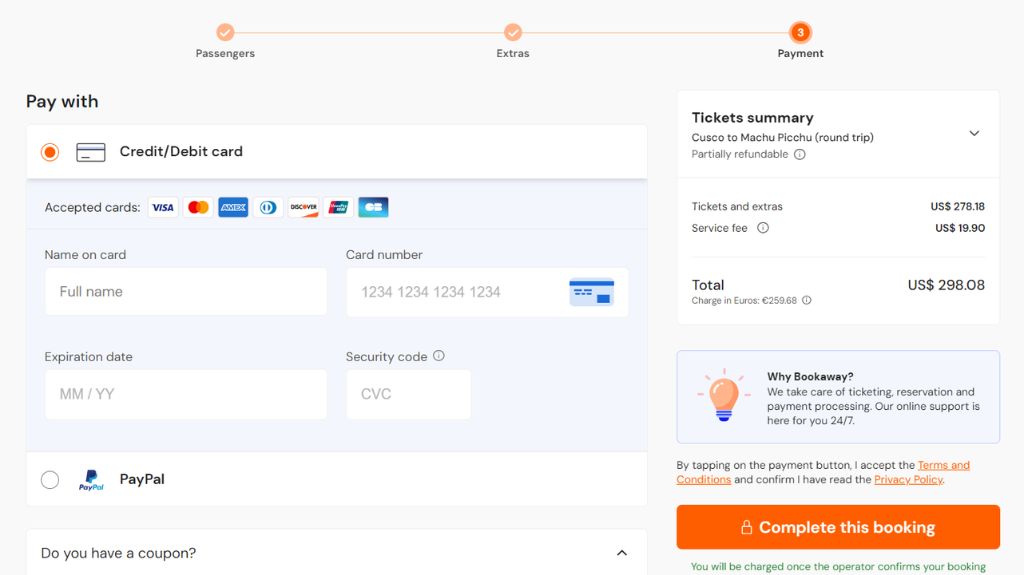
Yes, Bookaway is safe to use. It is a well-known booking platform that connects travelers with local transport companies around the world. The website has been online for years and works like many other travel booking sites.
From a payment point of view, the platform uses the same security standards you see on most booking websites. Payments go through secure gateways, and the checkout is protected with SSL encryption.
In simple terms, your payment details are protected during the transaction.
As a former Software QA Engineer, I tend to be quite cautious with online bookings.
Here are a few things I personally check before paying:
- the website security (look for the lock icon 🔒 in the browser),
- the operator listed for the trip, and
- recent traveler reviews when available.
A quick check like this takes less than a minute and gives you a better idea of what to expect.
In practice, the main risk does not come from the website itself but from the local transport operator. Bookaway is a marketplace. It lists routes and sells tickets, but the bus, ferry, or shuttle company actually runs the trip.
That means the experience can vary depending on the operator. For that reason, it is always a good idea to check the company name, read a few recent reviews, and arrive early at the departure point.
Bookaway vs Other Transport Booking Platforms
Bookaway is not the only platform that lets you book buses, ferries, and transfers online. A few other services do something similar, though each one focuses on different regions.
Bookaway vs 12Go
The platform most travelers compare with Bookaway is 12Go.
Both websites act as marketplaces that connect travelers with local transport operators. They allow you to compare routes, see schedules, and book tickets online instead of visiting ticket offices.
The main difference is coverage.
Bookaway focuses on global routes, with many options in Latin America and emerging destinations. In contrast, 12Go is strongest in Asia, where it works with thousands of operators and covers hundreds of thousands of routes across the region.
If you are traveling through Southeast Asia, 12Go often has more options. If your trip includes places like Central America or less common routes, Bookaway may show more results.
Bookaway vs Busbud
Another alternative is Busbud. This platform focuses mainly on intercity buses and trains. It works in dozens of countries and connects with major bus companies around the world.
Busbud is usually best for large bus networks, especially in North America, Europe, and parts of Latin America. Bookaway, on the other hand, often includes smaller operators and ferry routes that may not appear on bus-focused platforms.
I was able to compare options on both platforms in Ecuador, Peru, Bolivia, and Chile.
Busbud only offered bus tickets, while Bookaway also had private transfers, airport pickups, and shared minibuses available. These options were often better for me and my travel companion, so we chose Bookaway every time.
Bookaway vs Omio
If you travel mainly in Europe, Omio is another common option. The platform focuses heavily on European trains, buses, and flights, with strong integration of major rail networks.
For example, Omio works well if you plan to compare train and bus routes between cities such as Paris, Rome, or Berlin. Bookaway is less focused on European rail systems but can still be useful for transfers and ferries.
However, Omio doesn’t include ferries or airport transfers. The latter I found extremely useful in Bookaway.
Airports are usually your first stop in a new country. You might not even have the local currency yet. Having a transfer to your accommodation booked in advance was extremely helpful.
The Bottom Line
Most of these platforms work in a similar way. They act as aggregators that collect schedules and prices from many transport companies. The biggest differences are geographic coverage and available transportation options.
In practice, I often compared two or three platforms before booking, and I know most travelers do the same.
If a route appears on both, it is worth comparing prices and schedules next. Sometimes one site lists more operators or offers different departure times.
When Bookaway Makes Sense to Use
Bookaway is most useful when you travel in countries where transport is harder to book online. In many places, local bus or ferry companies have limited websites or none at all. The platform makes it easy to find routes and buy tickets in advance.
It also helps when you want to compare several options quickly.
Instead of checking different company sites, you can see departure times, trip duration, and prices in one place. This saves time when you plan longer routes or travel between cities.
Another good moment to use Bookaway is during busy travel periods. Popular routes often sell out, especially ferries or vans with limited seats. Booking online a few days ahead can remove the stress of finding tickets at the station.
The platform is also useful if you arrive late at night or early in the morning. In those cases, ticket offices may be closed. Having the ticket ready on your phone makes the departure much easier.
And, of course, booking online also removes the language barrier. Although I speak Spanish, it was way easier to buy tickets on Bookaway than at bus stations across Ecuador and Bolivia where you have to ask at least five questions until you find the right counter alone.
In short, Bookaway works best as a planning tool. It helps you organize transport ahead of time, especially in destinations where booking locally can be slow or confusing. It also removes the language barrier.
When You Might Want to Book Direct Instead
There are also situations where booking directly with the transport company makes more sense.
The most common one is price. Tickets bought at a station, port, or local travel office can sometimes be a bit cheaper. Booking platforms usually add a small service fee for the convenience of online reservations.
For cheaper bus tickets, it makes more sense to get yours at your destination. You can also ask questions about the services on board or stops along the way.
You might also want to book directly if you are already in the destination and have flexible plans. In many countries, buses and vans run frequently between major cities. Buying a ticket on the same day is often easy, especially outside peak travel periods.
Another reason is customer service. When you buy a ticket directly from the operator, you deal with the company that actually runs the trip. If a schedule changes or a departure is delayed, it can be easier to sort things out on the spot.
Finally, some small routes are not listed on Bookaway at all. In smaller towns or remote areas, local ticket offices still remain the main way to arrange transport.
Final Verdict: Is Bookaway Worth Using?
Yes, Bookaway is worth using in many situations, but it helps to understand what the platform actually does.
Bookaway is not a transport company. It is a marketplace that connects travelers with local bus, ferry, train, and transfer operators. Its main role is to make it easier to search routes, compare options, and book tickets online in places where that would otherwise be difficult.
In my experience during a 4-month trip, the platform worked exactly as expected.
The booking process was quick, tickets arrived right away, and trips went as planned. When one airport pickup did not show up, Bookaway refunded the booking quickly after I contacted them.
At the same time, the experience ultimately depends on the local transport company. Reviews across the web show mixed feedback. Many travelers say the platform is easy to use, while others report issues with cancellations, delayed confirmations, or operator problems.
For me, the best way to think about Bookaway is as a planning tool.
It is useful for comparing routes and securing tickets ahead of time, especially in destinations where you don’t speak the local language. Even though I speak decent Spanish, buying tickets in some places in Ecuador and Bolivia was challenging, to say the least. Bookaway removes this friction.
So, if convenience matters and you want to organize transport before you arrive, Bookaway can be a very practical option.